Here is a scenario we see play out every year in Huntsville. A homeowner has a dead pine tree in their backyard. It has been dead for a year, maybe two. It is not hurting anything, they figure. It is not leaning toward the house. Maybe they will get around to having it removed eventually. In the meantime, it is just standing there, a gray skeleton among the green.
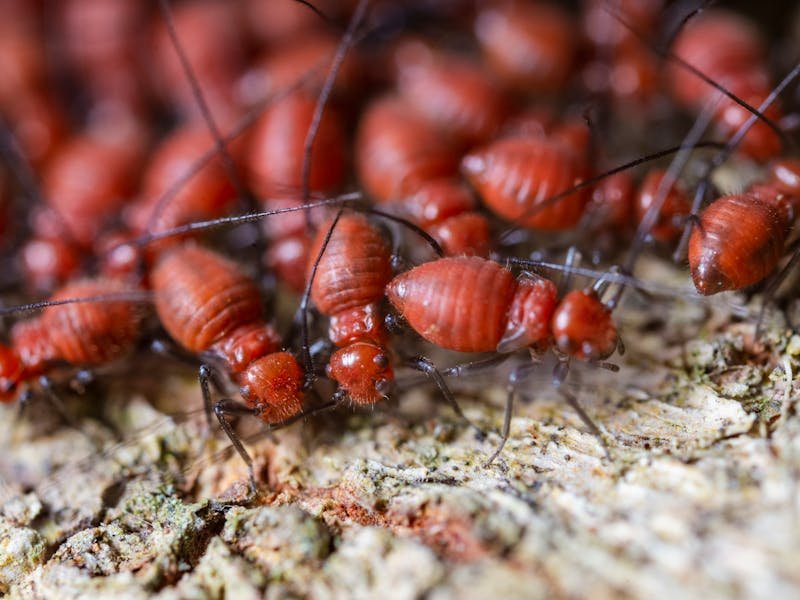
Then one day they notice something strange: tiny mud tubes running up the side of their garage, or their termite inspector finds live activity during an annual check, or a door frame in the back of the house starts feeling soft when they push on it. The termite company traces the infestation back to a massive colony that established itself in that dead pine tree, built foraging tunnels through the soil, and reached the house 15 feet away.
Termite damage costs American homeowners an estimated $5 billion per year, according to the National Pest Management Association. And Alabama ranks among the top states in the country for termite pressure. The warm, humid climate, the heavy clay soil that retains moisture, and the abundance of dead wood in both urban and suburban settings create near-perfect conditions for subterranean termites to thrive.
The connection between dead trees and termite infestations is direct, well-documented, and largely preventable. If you have dead trees or old stumps on your property in Huntsville, Madison, or anywhere in the Tennessee Valley, you are rolling the dice on a very expensive problem.
How Termites Use Dead Trees as a Foothold
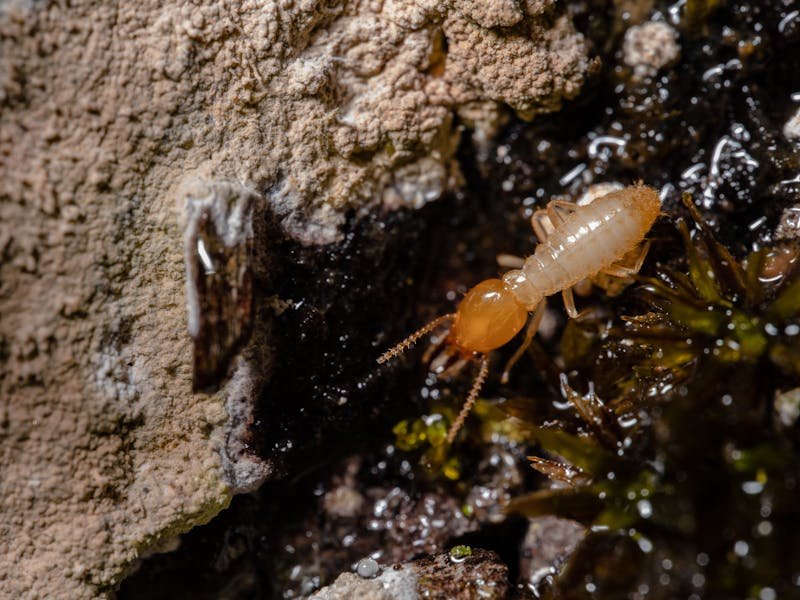
To understand why dead trees are such a termite magnet, you need to understand a little bit about how subterranean termites operate. The Eastern Subterranean Termite, which is the dominant species in the Huntsville area, lives in underground colonies that can contain anywhere from 60,000 to over a million individuals. The colony is centered around a queen, but the workers, the ones that actually eat wood, forage outward from the colony through an extensive network of underground tunnels.
These foraging tunnels can extend up to 300 feet from the central nest. The workers are constantly exploring, following moisture gradients and chemical signals in the soil, looking for new food sources. When they find one, they recruit thousands of additional workers through pheromone trails, and the colony exploits that food source aggressively.
Now think about what a dead tree represents from a termite's perspective. It is a massive quantity of cellulose (the wood fiber that termites digest for nutrition) that is in direct contact with the soil through its root system. The dead roots are already in the ground, already beginning to soften and decompose, already surrounded by the moist soil that termites need to survive. It is the equivalent of a buffet that just opened its doors.
A dead standing tree offers thousands of pounds of food. A dead stump with its root system intact offers even more, because the roots extend 10 to 20 feet in every direction underground, all of it accessible to termites without ever having to surface. Once a colony taps into that food source, the population can explode. More workers means more foraging, wider tunnel networks, and a higher probability that those tunnels will reach your house.
Alabama's Termite Pressure: Why We Are a High-Risk State
Alabama is classified as a "very heavy" termite activity zone by the U.S. Department of Agriculture. What does that mean for Huntsville homeowners? It means that termite infestation is not a matter of if, but when, if you do not take active preventive measures.
Several factors make North Alabama particularly attractive to termites:
Climate. Huntsville's mild winters mean termites remain active nearly year-round. In northern states, hard freezes slow termite activity for months. Here, the ground rarely freezes more than an inch or two deep, even in January. Colonies continue feeding and expanding through winter, just at a slightly slower pace.
Soil. Our heavy red clay retains moisture like a sponge. Subterranean termites need moisture to survive, and they get it from the soil. Well-drained sandy soils in other regions can actually limit termite activity because they dry out between rains. Our clay stays wet for weeks after rainfall, creating a constantly hospitable environment for foraging tunnels.
Vegetation. The Tennessee Valley is densely wooded. Even in suburban neighborhoods in South Huntsville, Blossomwood, Five Points, and Monte Sano, mature trees are everywhere. Some of those trees die naturally, from storms, disease, or old age. Dead limbs fall and remain on the ground. Stumps from trees cut 10 or 20 years ago still sit in backyards with their root systems rotting underground. All of it is termite food.
Formosan termites. An even more aggressive termite species, the Formosan Subterranean Termite, has been confirmed in southern and central Alabama and is gradually moving northward. Formosan colonies can contain millions of individuals and consume wood at 10 to 15 times the rate of Eastern Subterranean Termites. Their eventual arrival in the Huntsville area will make dead wood management even more critical.
The Dead Tree to House Pipeline: How Infestations Spread
Here is the typical progression of how a dead tree in your yard leads to termites in your home:
Stage 1: The tree dies. Whether from storm damage, disease, old age, or pest infestation, the tree stops producing the natural chemicals that help repel wood-boring insects. The wood begins to soften and absorb moisture from the soil through the root system.
Stage 2: Termites discover the roots. Foraging workers from a nearby colony encounter the dead root system underground. The decomposing roots are soft, moist, and full of the cellulose termites need. The workers send chemical signals back to the colony, recruiting thousands more workers to the food source.
Stage 3: The colony expands. With a reliable, abundant food source, the colony's population grows rapidly. More workers are produced, which means more foraging tunnels are dug, extending the colony's reach further in every direction.
Stage 4: Tunnels reach the house. Termite foraging tunnels are indiscriminate. They do not know the difference between a dead tree root and a wood sill plate on your foundation. If the expanding tunnel network reaches your home's foundation, the termites will build mud tubes up the foundation wall and begin feeding on the wood structure of your house.
Stage 5: Damage accumulates silently. Termites eat wood from the inside out. By the time you see visible damage (soft spots in walls, sagging floors, hollow-sounding wood), the infestation has been active for months or years. Repair costs in Alabama average $3,000 to $8,000 for moderate damage and can exceed $30,000 for severe structural damage.
This entire process can play out over 1 to 3 years. And it is entirely preventable by removing the dead tree before it becomes a termite incubator.
Stumps Are Just as Dangerous, Maybe More
Many homeowners have trees removed but leave the stump in place to save money. We understand the logic. Stump grinding is an additional cost. The stump is not ugly enough to bother them. It will decompose eventually.
But from a termite perspective, stumps are actually worse than standing dead trees. Here is why:
A stump's root system is entirely underground, in direct contact with moist soil, which is exactly the habitat termites prefer. The stump itself sits at ground level, collecting rainwater that keeps the wood perpetually moist. And because the stump is low to the ground and often covered by grass or mulch, termite activity in a stump can go unnoticed for years.
We have pulled up stumps that were absolute termite hotels. Thousands of workers, soldiers, and reproductives, all feeding on the decaying root system and building tunnels outward in every direction. Some of those stumps were less than 10 feet from the homeowner's foundation.
If you have old stumps on your property, especially within 30 feet of your home, getting them ground down or fully removed should be a priority. Read our stump grinding vs. removal comparison to understand the options.
Warning Signs of Termite Activity on Your Property
How do you know if termites have already moved into a dead tree or stump on your property? Here are the telltale signs:
Mud tubes. Subterranean termites build pencil-width tubes of mud and saliva on surfaces to travel between their underground nest and above-ground food sources. Check dead tree trunks, exposed stump surfaces, fence posts, and your foundation walls for these tubes. They are usually tan or brown and follow a vertical or near-vertical path.
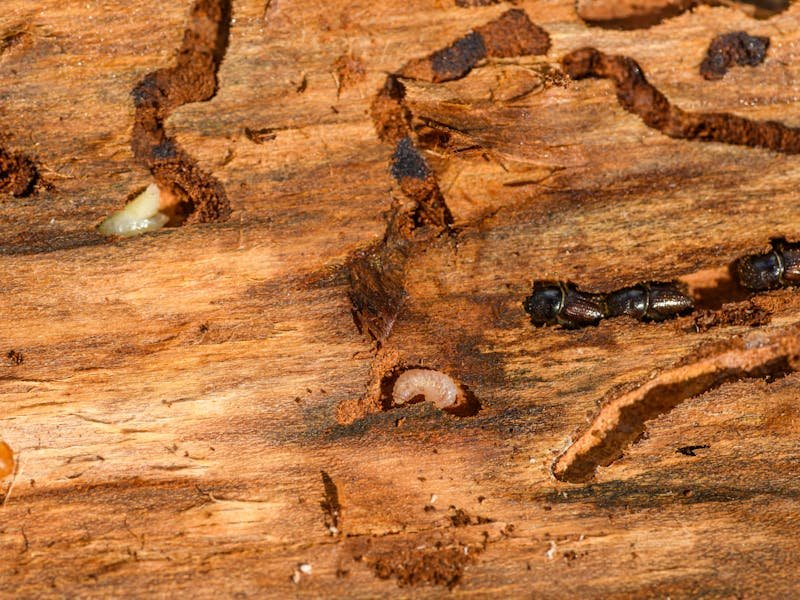
Soft, crumbly wood. Tap on a dead tree trunk or poke a stump with a screwdriver. If the wood is soft, crumbly, and falls apart easily, termites may be feeding on it. Healthy dead wood (like a tree that just died this year) should still be firm. Wood that has been worked over by termites has a hollowed-out, layered appearance.
Swarmers. In spring (typically March through May in Huntsville), reproductive termites emerge from colonies in large numbers to mate and establish new colonies. These winged termites, called swarmers or alates, look similar to flying ants but have straight antennae, equal-length wings, and a thick waist. If you see swarmers emerging from a dead tree or stump, you have an active colony.
Discarded wings. After swarming, termites shed their wings. If you find piles of tiny translucent wings on windowsills, near your foundation, or around a dead tree, termites have recently swarmed from a nearby colony.
Hollow sounds. Tap on the trunk of a dead tree with the handle of a tool. Sound wood produces a solid thud. Termite-damaged wood sounds hollow or papery because the interior has been consumed.
What to Do: A Step-by-Step Protection Plan
If you have dead trees, stumps, or significant dead wood on your Huntsville property, here is a practical action plan:
Step 1: Identify all dead wood. Walk your property and identify every dead tree, dead stump, fallen log, and pile of dead branches. Include dead limbs still attached to living trees. Map them mentally or take photos so you can discuss them with a tree service.
Step 2: Prioritize by proximity. Dead wood within 20 feet of your home, garage, deck, or any wooden structure is highest priority. Dead wood within 20 to 50 feet is medium priority. Dead wood beyond 50 feet is lower priority but should still be addressed.
Step 3: Remove dead trees. Professional tree removal should include the entire above-ground portion of the tree. For dead trees near structures, professional removal is critical for safety. Do not attempt to fell a dead tree yourself because the wood is unpredictable and may not fall where expected. Dead trees can literally break apart during cutting.
Step 4: Grind or remove stumps. Do not leave the stump. Stump grinding pulverizes the stump and upper root system, removing the bulk of the food source. Full stump removal extracts the entire root ball. Either method significantly reduces termite attraction compared to leaving the stump to rot.
Step 5: Clean up debris. Remove fallen branches, dead logs, old firewood stacks, and any other dead wood from your property. If you keep firewood, store it at least 20 feet from your home on a raised platform, not directly on the ground.
Step 6: Get a termite inspection. If you had dead wood near your home, schedule a professional termite inspection after the wood is removed. A licensed pest control company can check for active infestations, install monitoring stations, and recommend treatment if needed. Annual termite inspections are inexpensive ($75 to $150) and strongly recommended for all Alabama homeowners.
The Cost of Waiting vs. The Cost of Action
Let us put real numbers to this. A typical dead tree removal in Huntsville costs $400 to $1,500 depending on size, location, and difficulty. Stump grinding adds $150 to $350. So total cost to eliminate a dead tree and stump is usually $550 to $1,850.
Now compare that to termite damage:
- Average termite treatment in Alabama: $1,500 to $3,000
- Average termite damage repair: $3,000 to $8,000
- Severe structural termite damage: $15,000 to $30,000+
- Impact on home sale: termite history can reduce offers by 5% to 10%
Even in the best case scenario, treating a termite infestation costs more than removing the dead tree that attracted them. In the worst case, you are looking at structural repairs that cost 10 to 20 times what removal would have cost. And that is not counting the stress, inconvenience, and potential health concerns of living in a home with active termite damage.
Removing dead trees is not just tree care. It is home protection. It is one of the most cost-effective things you can do to safeguard your biggest investment.
Frequently Asked Questions
Absolutely. Dead trees and stumps are prime food sources for subterranean termites. Once a colony establishes in a dead tree, the termites build foraging tunnels through the soil in all directions, often reaching nearby structures. A dead tree within 20 feet of your home significantly increases your risk.
Yes, old tree stumps are one of the most common termite attractants in Alabama. The decomposing wood below ground is in direct contact with soil, creating ideal habitat. Stumps can harbor active colonies for years before termites expand to nearby structures.
There is no guaranteed safe distance since colonies can forage up to 300 feet. However, risk increases significantly within 20 feet. Remove any dead tree or stump within 30 feet of your home as a priority.
Eastern Subterranean Termites are most common in Huntsville. They live in underground colonies of hundreds of thousands to millions and build mud tubes to reach food sources. Formosan Subterranean Termites, even more aggressive, have been detected in parts of Alabama.
Signs include mud tubes running up the trunk, hollow-sounding wood when tapped, soft or crumbly wood that breaks apart easily, and visible termites (small white or tan insects) when you break into the wood.
Removing the tree eliminates a major food source but may not eliminate the colony entirely, especially if well-established. Combine tree and stump removal with a professional termite inspection and consider a perimeter treatment if the colony was close to your house.
Protect Your Home: Get Dead Trees Removed
Every dead tree and stump on your property is a potential termite factory. And in Alabama's high-risk termite zone, "potential" becomes "actual" more often than most homeowners realize.
Do not wait until you find mud tubes on your foundation or a termite inspector delivers bad news. Take action now. Call Huntsville Tree Pros at (256) 555-0123 or request a free estimate for dead tree removal and stump grinding. We will assess your property, remove the hazards, and help you protect your home from one of the most expensive problems a Huntsville homeowner can face.
We serve Huntsville, Madison, Decatur, Athens, Hampton Cove, South Huntsville, and all communities across the Tennessee Valley.