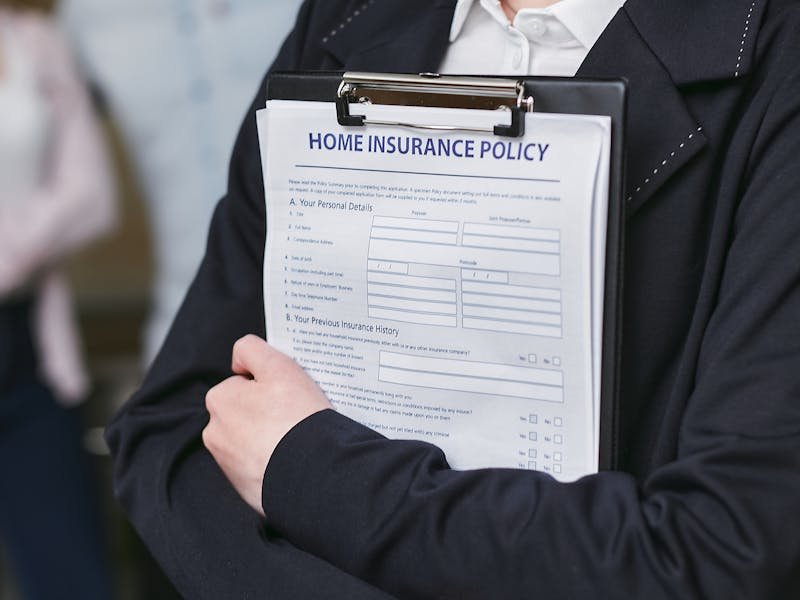
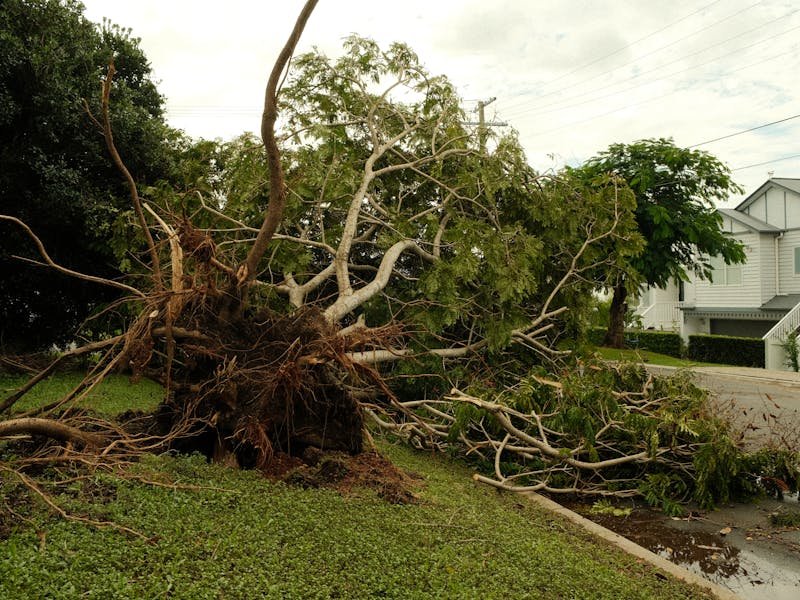
A severe storm rolls through the Tennessee Valley, and the next morning you walk outside to find a massive oak lying across your driveway, your fence is flattened, and half the tree is resting on your roof. Your first thought after making sure everyone is safe: will my homeowners insurance pay for this?
The answer, like most things involving insurance, is "it depends." Alabama homeowners insurance policies generally do cover tree removal, but only under specific circumstances. Understanding exactly when your policy applies—and when it does not—can save you thousands of dollars and a tremendous amount of frustration when you are already dealing with a stressful situation.
At Huntsville Tree Pros, we handle emergency tree removal calls throughout the Huntsville metro area after every major storm. We have worked alongside hundreds of homeowners navigating the insurance claim process, and we have seen firsthand what gets covered, what gets denied, and what homeowners can do to improve their chances of a successful claim.
When Homeowners Insurance Typically Covers Tree Removal in Alabama
Most standard Alabama homeowners insurance policies (HO-3 policies) cover tree removal when two conditions are met: the tree fell due to a covered peril, and the fallen tree caused damage to a covered structure. Let us break that down.
Covered Perils in Alabama
A "peril" in insurance language is the event that caused the tree to fall. Standard Alabama homeowners policies typically cover damage from these perils:
- Wind and storms — This is the most common covered peril in the Huntsville area. Severe thunderstorms, tornadoes, straight-line winds, and microbursts are all covered under standard wind peril provisions. Given that Huntsville sits in Dixie Alley and experiences some of the most severe weather in the Southeast, this coverage is essential.
- Lightning — If lightning strikes a tree and causes it to fall, the resulting damage and removal are typically covered.
- Ice and snow — While less common in North Alabama, ice storms do occur. The January 2024 ice event that affected the Tennessee Valley caused significant tree damage across Huntsville, Madison, and Decatur.
- Weight of ice or snow — Branches and trees that break under the accumulated weight of ice or heavy wet snow are covered.
- Fire — Trees damaged or felled by fire are covered.
- Vandalism — If someone deliberately damages a tree causing it to fall, removal is generally covered.
- Falling objects — If another tree falls on your tree and brings it down, or another structure falls on a tree, this is typically covered.
Damage to a Covered Structure Is Usually Required
Here is where many Huntsville homeowners get an unwelcome surprise. In most standard policies, tree removal is only covered when the fallen tree has damaged a covered structure on your property. Covered structures include:
- Your home (the dwelling)
- Detached garage or carport
- Storage shed or outbuilding
- Fence (as "other structures" coverage)
- Driveway or walkway (varies by policy)
If a tree falls in your yard and does not hit anything—it just lands on the lawn—most standard policies will not cover the removal cost. This is one of the most common claim denials we see in the Huntsville area after storms. A homeowner has a 60-foot pine lying across their backyard, it costs $1,500 to remove, but because it did not damage a structure, they are paying out of pocket.
The "Blocking Access" Exception
Some Alabama homeowners policies include a provision that covers tree removal even without structural damage if the fallen tree is blocking a driveway, wheelchair ramp, or other essential access point to your home. This coverage typically has a lower cap—often $500 to $1,000 per tree—but it can make a significant difference. Check your policy's "debris removal" or "tree removal" endorsement carefully for this provision.
How Much Does Insurance Pay for Tree Removal?
Coverage amounts for tree removal in Alabama homeowners policies typically work like this:
- Structural damage removal: The cost of removing the tree is usually included as part of the total claim for the structural damage. If a tree crashes through your roof and causes $15,000 in damage, the $2,000 tree removal cost is typically included in the overall claim settlement.
- Per-tree caps: Many policies cap tree removal at $500 to $1,000 per tree, with a total limit of $5,000 to $10,000 for all tree-related debris removal per claim event. If you had five trees come down in a storm, even with structural damage, you might hit the aggregate cap.
- Stump grinding: Some policies cover stump grinding as part of tree removal; others consider it a separate service and do not cover it. Always ask your adjuster specifically about stump removal or stump grinding coverage.
When Insurance Does NOT Cover Tree Removal in Alabama
Understanding what is excluded is just as important as knowing what is covered. Here are the most common situations where Alabama homeowners insurance will deny a tree removal claim:
1. The Tree Fell Due to Neglect or Poor Maintenance
If a tree falls because it was dead, diseased, or structurally compromised and you knew about the problem but failed to address it, your insurance company can deny the claim based on negligence. Insurance adjusters in Alabama are trained to look for signs that a tree was already in decline before the covered event occurred. Dead branches, visible fungal growth, significant lean, and prior arborist recommendations to remove the tree can all be used as evidence of negligence.
This is why proactive tree care matters. Regular tree trimming and prompt removal of dead or dangerous trees is not just good property maintenance—it protects your insurance coverage.
2. No Structural Damage Was Caused
As discussed above, a tree that falls in your yard without damaging any structure is generally not covered under standard policies. This applies even if the tree fell during a covered storm—the peril is covered, but without structural damage, the removal is not.
3. Gradual Deterioration or Rot
Trees that fall due to gradual root decay, internal rot, or slow pest damage (as opposed to a sudden covered event) are typically excluded. The insurer's argument is that this type of loss was preventable through maintenance and therefore is not an insurable event.
4. Flood-Related Tree Damage
Standard Alabama homeowners insurance does not cover flood damage. If a tree falls because of flooding, erosion from floodwaters, or mudslide, you would need a separate flood insurance policy (available through FEMA's National Flood Insurance Program or private flood insurers) for coverage. This is particularly relevant for properties in flood-prone areas along the Tennessee River and its tributaries in the Huntsville region.
5. Earthquake or Earth Movement
While rare in Alabama, sinkholes and earth movement can cause trees to topple. Standard policies exclude earth movement, including sinkholes, landslides, and earthquakes. Separate endorsements or policies may be available.
How to File a Tree Removal Insurance Claim in Alabama
If a tree has fallen on your Huntsville property and you believe your homeowners insurance should cover the removal, follow these steps to give yourself the best chance of a smooth, fully covered claim:
Step 1: Ensure Safety First
Do not attempt to remove a tree yourself, especially if it is on a structure, tangled in power lines, or leaning precariously. Stay away from downed power lines—call Huntsville Utilities at 256-535-4448 to report downed lines. If the tree has caused structural damage to your home that makes it unsafe to occupy, contact your insurance company's emergency line immediately.
Step 2: Document Everything Before Anything Is Moved
This step is critical and is where many homeowners hurt their claims. Before any cleanup begins, take extensive documentation:
- Photographs and video from multiple angles showing the fallen tree, all damage to structures, the root ball (if uprooted), and the surrounding area
- Close-up shots of any structural damage to your roof, siding, fence, vehicle, deck, or other property
- Wide shots showing the full scope of the situation and where the tree came from
- Interior photos if the tree penetrated the roof or caused water intrusion inside the home
- Date and timestamp your photos (most smartphone cameras do this automatically)
Step 3: Contact Your Insurance Company Promptly
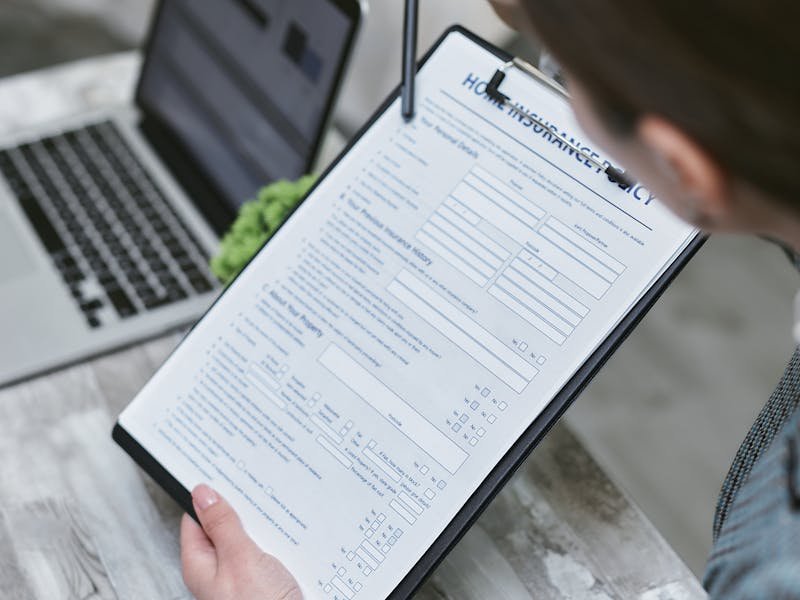
Report the damage to your insurance company as soon as possible. Most Alabama policies require "prompt" notification, though the exact timeframe varies by insurer. Do not wait weeks or months—delayed reporting can give the insurer grounds to deny or reduce your claim.
When you call, provide:
- Your policy number
- Date and time of the event (the storm, wind event, etc.)
- Description of the damage to structures
- Whether emergency services were needed (fire, police, utility company)
- Whether you have made any emergency repairs to prevent further damage
Step 4: Get Estimates from Licensed Tree Service Companies
Your insurance company will typically want at least one or two written estimates for the tree removal work. Contact licensed, insured tree service companies (like Huntsville Tree Pros) to provide detailed written estimates that break down the scope of work, including tree removal, debris hauling, stump grinding, and any temporary protective measures.
A detailed, itemized estimate helps the adjuster understand exactly what the work entails and why it costs what it does. Vague estimates ("tree removal: $2,500") are more likely to be questioned or reduced than detailed breakdowns.
Step 5: Understand Your Deductible
Your deductible is the amount you pay out of pocket before insurance kicks in. In Alabama, standard homeowners deductibles typically range from $500 to $2,500, though some policies have higher deductibles for wind and hail damage (sometimes 1% to 5% of the dwelling coverage amount).
Before filing a claim, do the math. If the total cost of tree removal plus structural repair is $1,200 and your deductible is $1,000, you would only receive $200 from the insurance company. In that scenario, it may not be worth filing a claim at all, since claims can affect your future premiums and insurability.
Step 6: Keep Records of All Expenses
Save every receipt related to the tree damage, including emergency tarps, temporary repairs, tree removal invoices, stump grinding, debris hauling, and any hotel or meal costs if you had to vacate the home. Your policy's "additional living expenses" coverage may reimburse these costs if you could not safely stay in your home.
What to Document About the Tree Itself
One of the most important things to document—and one that homeowners often overlook—is the condition of the tree before it fell. Your insurer may send an adjuster or arborist to examine the root ball, trunk, and remaining stump for signs that the tree was already compromised before the covered event.
To protect your claim, document:
- The root ball — If the tree was uprooted, photograph the root ball. Healthy roots will be firm and white or light-colored inside. Rotted, dark, mushy roots could indicate the tree was dying before the storm, which could give the insurer grounds to deny.
- The trunk cross-section — If the tree snapped rather than uprooted, photograph the break point. Sound wood is solid and light-colored. Dark, spongy, or hollow sections indicate internal decay.
- Any visible disease or pest damage — Insect galleries, fungal conks, carpenter ant damage, or woodpecker holes in the trunk could be used to argue the tree was already compromised.
- Full canopy foliage — If the tree had a full, green canopy when it fell, document that. It supports your position that the tree was healthy before the storm brought it down.
Your Neighbor's Tree Falls on Your Property: Who Pays?
This is one of the most confusing situations for Huntsville homeowners, and it comes up frequently after storms. In Alabama, the general rule is:
- If a healthy tree from your neighbor's property falls on your house during a storm, your homeowners insurance covers the damage and removal, not your neighbor's. The storm is the covered peril, and your policy covers your property.
- If a dead or obviously diseased tree from your neighbor's property falls on your house, you may have a claim against your neighbor (and their insurance) for negligence. This requires proving your neighbor knew the tree was hazardous and failed to address it. Written notice is very helpful here—if you had previously notified your neighbor in writing about the dangerous tree, that strengthens a negligence claim significantly.
For a deeper look at neighbor tree liability in Alabama, read our detailed guide: Who Is Responsible for a Fallen Tree Between Neighbors in Alabama?
Tips for Huntsville Homeowners: Protecting Your Coverage
Based on our experience working with homeowners after storm events throughout the Huntsville area, here are the most important things you can do to protect your insurance coverage:
- Maintain your trees proactively. Regular trimming and removal of dead or hazardous trees eliminates the biggest reason insurers deny claims: negligence. Keep records of professional tree trimming work as proof of maintenance.
- Know your policy before you need it. Read your homeowners policy now, before a storm hits. Understand your deductible, your per-tree removal cap, your debris removal limits, and whether you have a separate wind/hail deductible.
- Document your healthy trees. Take annual photos of your large trees showing full, healthy canopies and sound trunks. If a tree later falls and the insurer questions whether it was healthy, you have dated photographic evidence.
- Get dangerous trees removed before they fall. If an arborist or tree service professional tells you a tree needs to come down, act on it. The cost of planned tree removal is almost always less than the cost of emergency removal plus structural repairs, and a proactive removal is always cheaper than a denied insurance claim.
- Do not delay filing. If a tree falls and damages your property, file the claim within 24 to 48 hours if possible. Delayed claims raise red flags with adjusters.
- Choose a licensed, insured tree service. Your insurance company may question invoices from unlicensed operators. A properly licensed and insured tree service provides legitimate invoices that hold up to adjuster scrutiny.
Need Emergency Tree Removal in Huntsville?
When a tree comes down on your property, you need fast, professional response. Huntsville Tree Pros offers 24/7 emergency tree service throughout the Huntsville metro area. We understand the insurance process, we provide detailed estimates that adjusters accept, and we can work directly with your insurance company to make the process as smooth as possible.
Do not wait for the next storm to figure out your coverage. Review your policy today, and keep our number handy for when you need us.