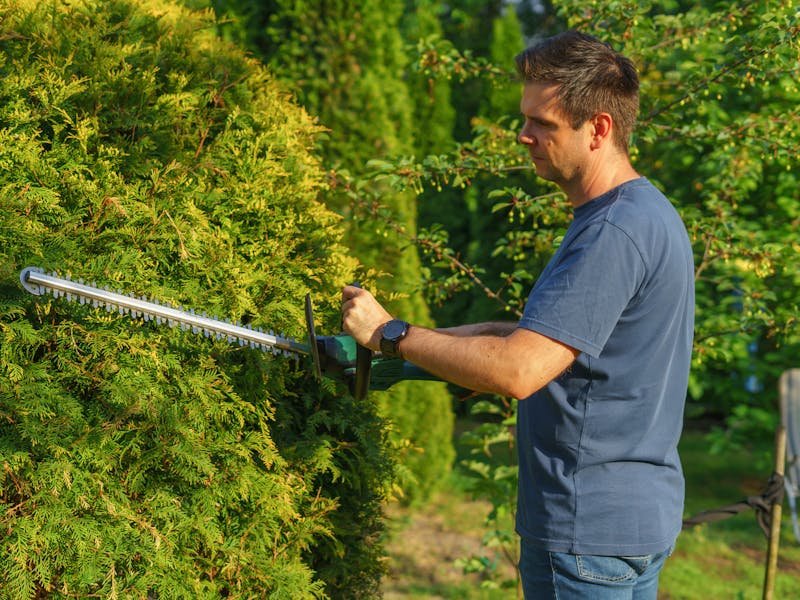
Shrubs are the most neglected part of most yards I walk into. Folks worry about the lawn, they worry about the big trees, and the foundation plantings just kind of sit there year after year. Then one day the homeowner looks out the window and realizes their boxwoods have grown halfway over the windows, the azaleas have not bloomed properly in three years, and the holly by the front door is dead in the middle and only green on the outside.
That is almost always a pruning problem. Or more accurately, a no-pruning problem.
Here is the thing I want you to understand right up front. The damage from bad pruning is usually less severe than the damage from no pruning at all. A shrub that gets sheared in the wrong month will bounce back. A shrub that has gone ten years without any thinning is often beyond saving without a hard rejuvenation cut, and some of them never recover. The worst-case outcomes I see at Huntsville Tree Pros are not from homeowners who pruned too aggressively. They are from homeowners who never pruned and let the plant rot from the inside out.
Good pruning is somewhere in between. It is the difference between a fifteen-year-old camellia in a Twickenham garden that still flowers like crazy every February and the same camellia three blocks over with a single ring of blooms on the outside and bare wood everywhere else.
Trimming and pruning are not the same thing
This is the first thing to get straight, because the words get used interchangeably and they should not be.
Trimming is shaping. It is aesthetic. You are running hedge shears across the outside of a plant to control its size and keep the silhouette tidy. Trimming is what you do to a row of boxwoods along your front walkway when you want them to look like a clean green wall.
Pruning is health work. It happens with hand pruners and sometimes loppers. You are reaching inside the plant and making selective cuts. You take out a dead branch here, a crossing branch there, a weak shoot in the middle that is never going to amount to anything. Pruning opens up the interior of the shrub so light and air can get in.
Most shrubs in Huntsville need both, just at different times. If you only ever shear the outside, the outer layer gets denser and denser, light cannot reach the inner branches, and those inner branches die. Eventually you have a hollow plant with a green shell and a dead skeleton inside. When you finally do try to cut it back to a reasonable size, there are no living buds left to push new growth. That is when the shrub has to come out.
Common Huntsville shrubs and what they actually need
The plants I see most often in north Alabama yards are pretty consistent. Here is a quick rundown of the heavy hitters and how each one wants to be treated.
Boxwood
Boxwood is everywhere in Huntsville and Madison. Almost every house built in the last thirty years has a few of them around the foundation. They take shearing well, which is why landscapers love them, but they also need annual thinning. Once a year (I do mine in late February), reach inside and pull out small handfuls of dead leaves, then make a few selective cuts to open the interior. This prevents the dreaded boxwood blight where moisture gets trapped in the dense canopy and the whole plant browns out from the middle. Shape with hedge shears two or three times a year, generally in late spring after new growth hardens, midsummer if needed, and a light touch in early fall.
Holly (American holly and Burford holly)
Hollies are tougher than people think. American holly grows huge if you let it (40 feet or more), so most homeowners want to keep theirs at 8 to 12 feet. Burford holly stays smaller and has the dense, glossy leaves people use for foundation plantings. Both prefer late winter pruning, before new growth starts. You can shape hollies with hedge shears, but every couple of years they benefit from selective pruning where you take out a few of the largest old branches at the base. Watch for the spines. I always wear leather gloves on holly jobs.
Azaleas
Azaleas are basically the official shrub of Huntsville. The Big Spring Park azaleas, the displays in Five Points and Twickenham, the masses people plant under their pines in Hampton Cove. They thrive in our acidic clay soil and dappled shade.
The single most important rule: prune within three weeks of when they finish blooming, usually late April or very early May here. Azaleas set their flower buds in mid to late summer, and once those buds are set, any pruning is going to remove next year's flowers. If you have ever wondered why your azaleas have not bloomed in two years, the answer is almost always that someone pruned them at the wrong time. For shape, hand pruners are better than shears. Reach in, find a leggy branch, and cut it back to a leaf node.
Knockout roses
Knockout roses are bulletproof, which is why every gas station and bank parking lot in north Alabama is planted with them. Hard prune them in late February, cutting the whole plant back to about 18 inches tall. That feels brutal, but they will explode with growth and bloom from May through November. In midsummer, do a quick shaping trim. Take off the top 6 to 8 inches and remove any spent flower clusters to trigger another big flush of blooms.
Camellias
The camellias in Twickenham gardens are some of my favorite plants in Huntsville. The old ones have trunks that look like miniature trees. They bloom from late fall through early spring depending on variety, which makes timing tricky. Prune within a few weeks of when they finish flowering, before they start putting on new growth. Camellias do not need much: take out dead wood, remove any branches rubbing against each other, and lightly shape. Avoid the urge to shear them flat.
Loropetalum
Loropetalum (the purple-leaved one with the fringe flowers) grows fast in our climate. People plant them as small foundation shrubs and within five years they are 8 feet tall and eating the windows. You can hard prune in late winter and they will come right back. If yours has gotten out of control, do not be afraid to cut it back hard.
Forsythia
The yellow forsythia bushes that bloom in February and March are the unofficial start of spring in Huntsville. They flower on old wood, so prune right after they finish blooming, typically by early April. Wait until summer or fall and you are cutting off next year's flowers. Forsythia also benefits from rejuvenation pruning: every three or four years, take out a third of the oldest stems at ground level to keep the plant vigorous instead of a tangled mess of gray wood.
Hydrangeas
Hydrangeas are confusing because the different types want different things. The big mophead hydrangeas (pink or blue depending on soil pH) bloom on old wood, so prune those in summer right after flowering, never in late winter. Panicle hydrangeas (cone-shaped white) and smooth hydrangeas (Annabelle types) bloom on new wood, so prune in late winter and cut them back hard. Oakleaf hydrangea blooms on old wood, so prune lightly after flowering. If you do not know which type you have, a light shaping after they bloom is the safe move.
The right time to prune, by month
Here is the calendar I keep in my head for north Alabama. Your specific microclimate (a south-facing slope in Madison versus a wooded lot in Big Cove) might shift things by a week or two.
January and February: Prune most evergreen shrubs while dormant. Hard prune knockout roses. Good time for serious renovation cuts on overgrown shrubs.
March: Last call for late winter pruning on summer bloomers. Forsythia is starting to bloom, so wait on that one.
April: Prune forsythia and other early spring bloomers right after they finish flowering. Wait on the azaleas until they finish.
May: The big azalea pruning window. Also a good time for the first shape trim on boxwoods now that the new growth has hardened off.
June and July: Light shaping only. Avoid heavy pruning during summer heat because cuts stress the plant when it is already working hard. Mophead hydrangeas can be pruned right after they bloom.
August: Stop pruning spring-blooming shrubs. They are setting next year's buds.
September and October: Light shaping is fine. Avoid hard cuts because new growth will not harden off before frost. I see this every year with people who do a "fall cleanup" on their boxwoods in October.
November and December: Wait. Save the real work for late winter.
Tools you actually need
You do not need a lot. Three good hand tools will handle 90% of the shrub work in a typical Huntsville yard.
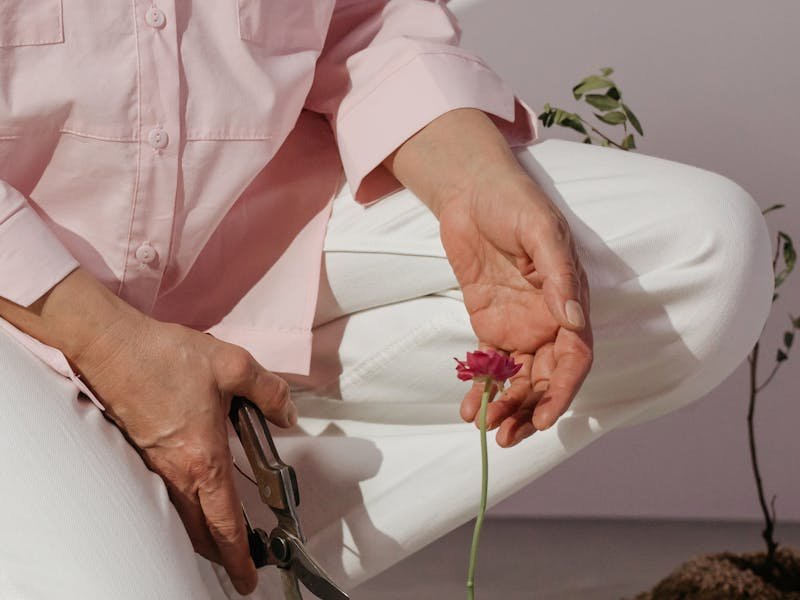
Hand pruners (bypass type): This is your main tool. Bypass pruners cut like scissors and make a clean cut that heals fast. Anvil pruners crush stems and should mostly be used on dead wood. A good pair of Felco or Corona bypass pruners runs $30 to $60 and will last decades if you sharpen them.
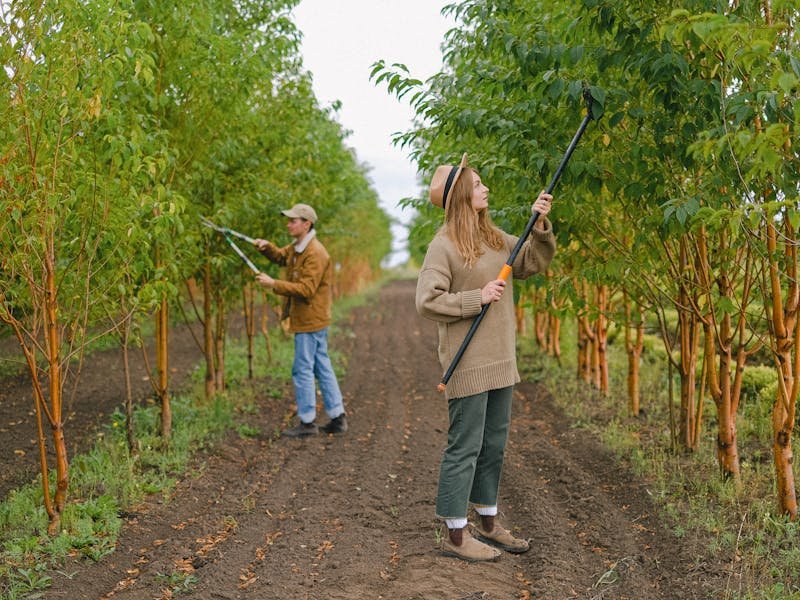
Loppers: For branches between half an inch and an inch and a half. Bypass type, again. Long handles give you leverage and reach.
Hedge shears: For shaping. Manual hedge shears are fine for most homeowners. They cut cleaner than electric trimmers, they do not stress the plant as much, and they let you see what you are cutting.
I would skip electric or gas hedge trimmers for most home use. They tear leaves rather than cutting them cleanly, leaving brown edges all over the plant for a couple of weeks. They also make it really easy to cut too much, too fast. If you have 200 feet of privet hedge along your driveway, sure, get the powered tool. For a few foundation shrubs, manual shears do a better job.
Whatever tools you use, keep them sharp and clean. A dull pruner crushes stems. A dirty pruner spreads disease. I wipe my blades with rubbing alcohol or a dilute bleach solution between plants, especially after working on anything that looked sick.
The 1/3 rule
This is the single most useful rule of thumb in shrub care. Never remove more than one third of a shrub at one time.
That applies to overall size (do not take a 6-foot shrub down to 2 feet in one cut) and to specific branch removal (if you are doing rejuvenation work, take out one third of the oldest stems this year, another third next year, and the last third the year after).
The 1/3 rule exists because shrubs need a certain amount of leaf surface to feed themselves through photosynthesis. Cut off too much at once and the plant cannot generate enough energy to push new growth. It either stalls out or dies back further. I have seen people take a healthy holly down to bare sticks in March and watch it slowly fail through the summer.
If you have a really overgrown shrub that needs serious size reduction, plan on doing it over two or three years. It is a longer process but the plant survives.
Renovation pruning vs maintenance pruning
Maintenance pruning is what you do every year. A little shaping, some interior cleanup, removal of dead wood. This is the routine work that keeps a shrub healthy long term.
Renovation pruning (also called rejuvenation pruning) is what you do when a shrub has gotten away from you. Maybe it has not been pruned in eight years. Maybe the inside is mostly dead. Renovation pruning means cutting the shrub back hard, sometimes down to 12 to 24 inches from the ground, and letting it regrow.
Some shrubs handle this beautifully. Forsythia, privet, ligustrum, loropetalum, knockout roses, and most spireas can be cut to the ground in late winter and they will come back strong. Boxwood, holly, and most conifers do not have the latent buds to recover from a hard cut into old wood, so with those you have to work gradually. If you are not sure how your particular shrub will respond, call a pro before you do something that cannot be undone.
The shrub-killing mistakes I see all the time
Here are the things I see Huntsville homeowners do that hurt their shrubs more than help them.
Pruning at the wrong time of year. Spring bloomers pruned in fall, summer bloomers pruned right before they would have flowered, evergreens cut back hard in October. Get the timing right and most other things forgive you.
Topping knockout roses with hedge shears. I see this constantly. Someone runs hedge shears across the top of their knockouts every few weeks. The plant turns into a thin shell of leaves with woody stems sticking out. Knockouts want one hard prune in late winter and one shaping in summer. That is it.
Shearing flowering shrubs after they set buds. Shear an azalea in August and you are cutting off every bloom for next spring. Same with camellias, forsythia, oakleaf hydrangea, and most spring bloomers. Once they finish flowering, you have a short window. After that, hands off.
Over-pruning azaleas after April. Even within a few weeks of bloom drop, by late May the bud set process is starting. Heavy work in June or later costs you flowers.
Using dull or dirty tools. Crushed cuts heal slowly. Disease moves from plant to plant on dirty blades. I have seen entire boxwood hedges in north Huntsville go down to blight after someone pruned an infected plant first and then moved on to the healthy ones with the same shears.
Pruning right before a hard freeze. Freshly pruned shrubs push tender new tissue that gets damaged by frost. Time your cuts for stable weather.
When to call a pro
Plenty of shrub work is within the range of a homeowner with sharp pruners and a free Saturday. But there are situations where calling a pro makes more sense.
Shrubs over 6 feet tall start to get awkward. You need a sturdy ladder, you cannot easily see the shape from the inside, and the cuts get harder to make. A row of 8-foot tall hollies along the property line is pro territory.
Anything dead or diseased is worth a professional eye. Sometimes what looks like winter damage is actually a fungal issue, and the wrong cut spreads it further.
Shrubs near power lines, especially the service line that runs from the pole to your house, should never be a DIY job. Call tree trimming professionals for anything within 10 feet of an energized line.
Long hedges (more than 30 feet) are a different beast. Professional equipment and a crew make this worth outsourcing for most homeowners. Renovation work on valuable specimen plants (an old camellia, a large established azalea, the boxwoods that came with your historic Twickenham house) is also worth a professional opinion before you cut. Mistakes on a 40-year-old shrub are not always fixable.
For larger cleanup jobs that involve hauling away significant debris, our brush removal service handles the disposal side so you are not left with piles of cuttings at the curb.
What professional shrub service costs in Huntsville
Pricing varies based on property size, number of shrubs, their condition, and how much debris has to be hauled away. Here is the general range I see.
Small yard, basic foundation shrubs (5 to 10 plants under 4 feet): $75 to $150. A couple of hours of work and a manageable amount of debris.
Medium yard with 15 to 20 shrubs and some hedge work: $200 to $400. Half a day of work and real cleanup.
Larger property with mature shrubs, long hedges, and specialty work: $450 to $900. Full day or more, two-person crew, significant haul-off.
Renovation pruning on a single overgrown shrub usually runs $50 to $150 per plant depending on size. Long hedge renovation can run $300 to $600 per 50 feet of hedge. Most companies in Huntsville have a minimum service fee in the $100 to $150 range, so if you have just one or two small shrubs, it is often more economical to bundle the work with other yard service.
The shrubs in your yard are worth the effort
A well-maintained foundation planting adds real value to a Huntsville home. Buyers walk up to a house and the first thing they see is the front shrubs. Healthy boxwoods, blooming azaleas, well-shaped hollies. That is curb appeal you cannot fake with paint or staging.
Most of the work is just consistency. A little time in late February, a little time in May after the azaleas bloom, a quick shaping pass in June. Sharp tools. Right timing. The 1/3 rule. That is most of it.
For the broader timing of yard work in our area, our guides on the best time to trim trees in Huntsville, crepe myrtle care and pruning, and spring tree care all cover related ground.
If your shrubs are out of control, if you are not sure where to start, or if you just want someone else to handle it, give us a call. We work on shrubs all over Huntsville, Madison, Decatur, and the surrounding areas, from foundation cleanups to full hedge renovations.